Overview
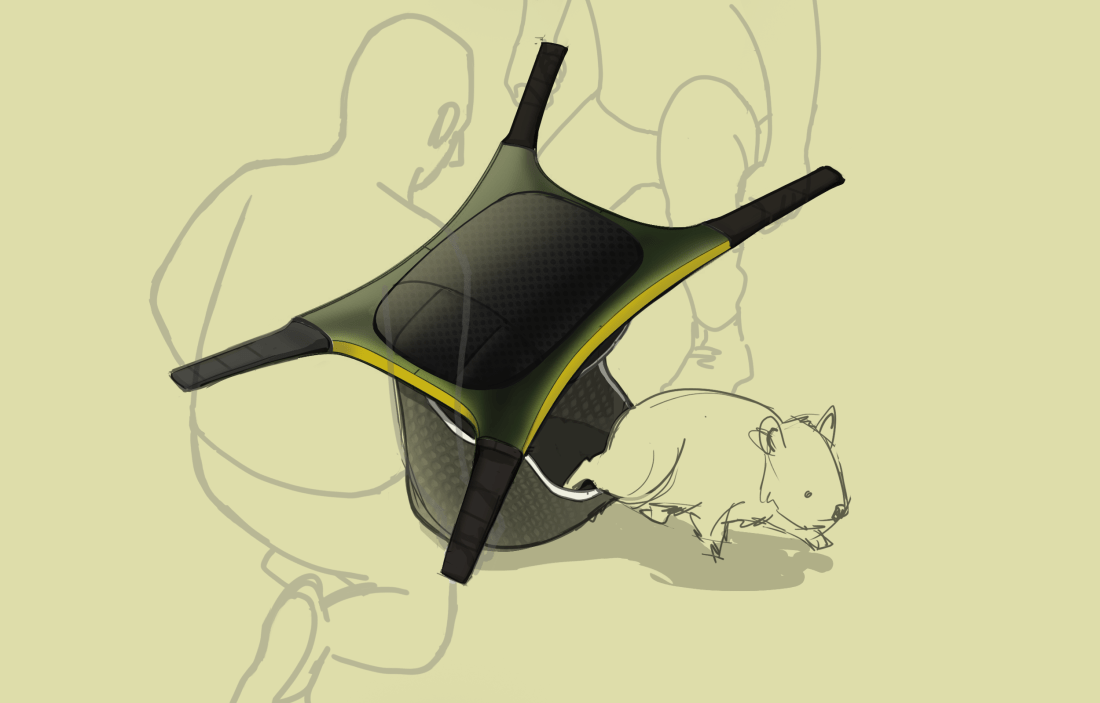
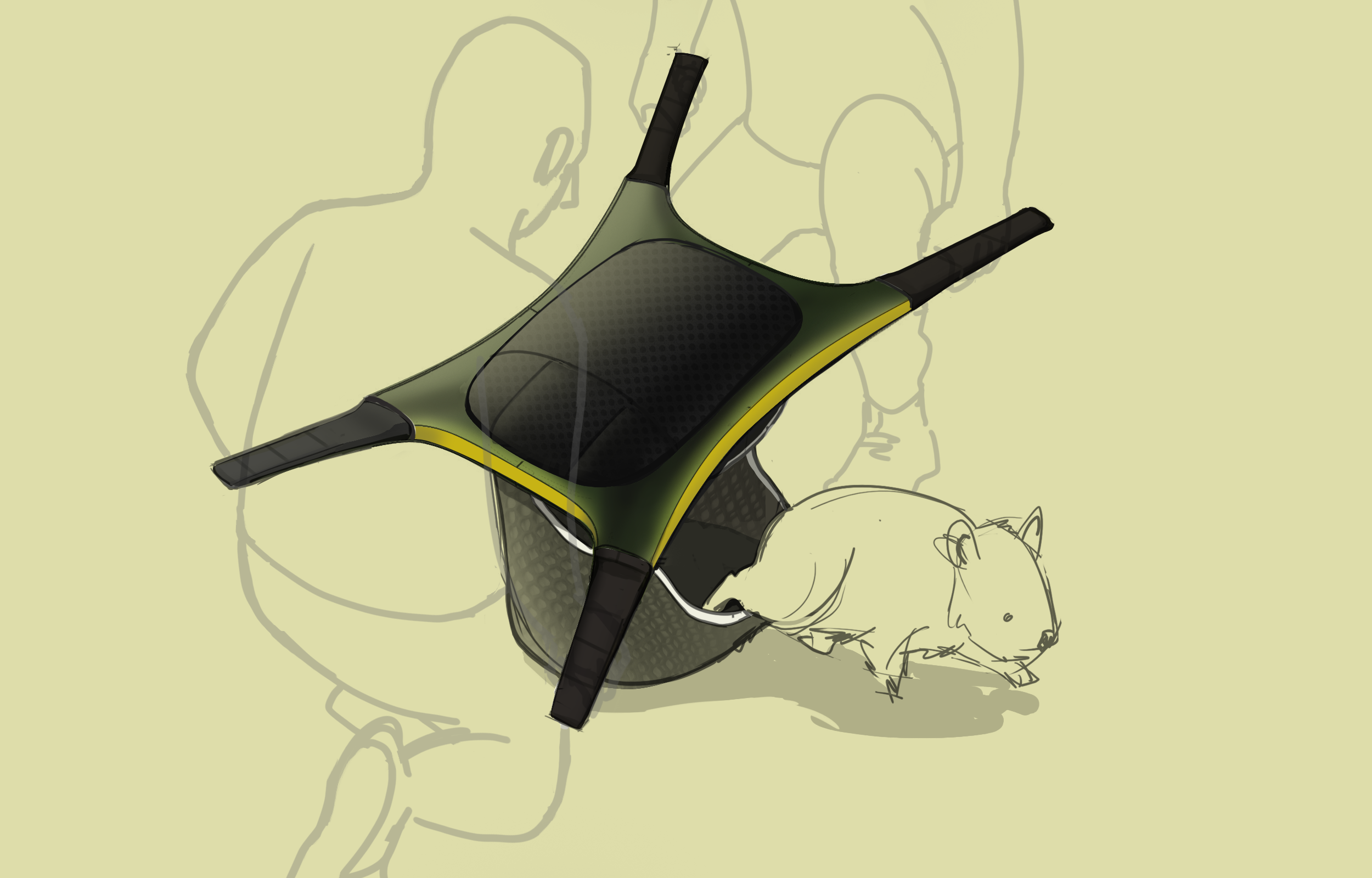
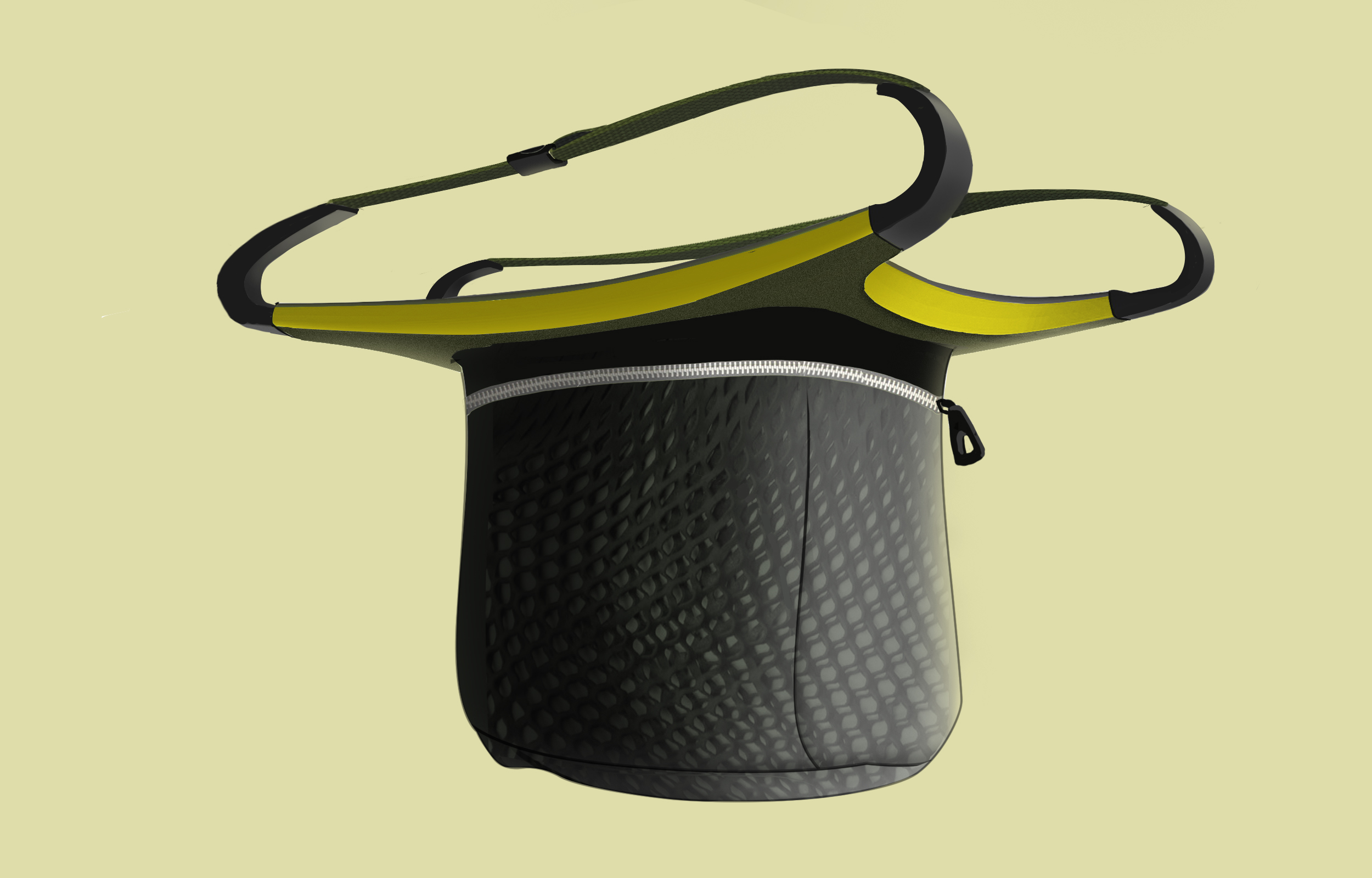
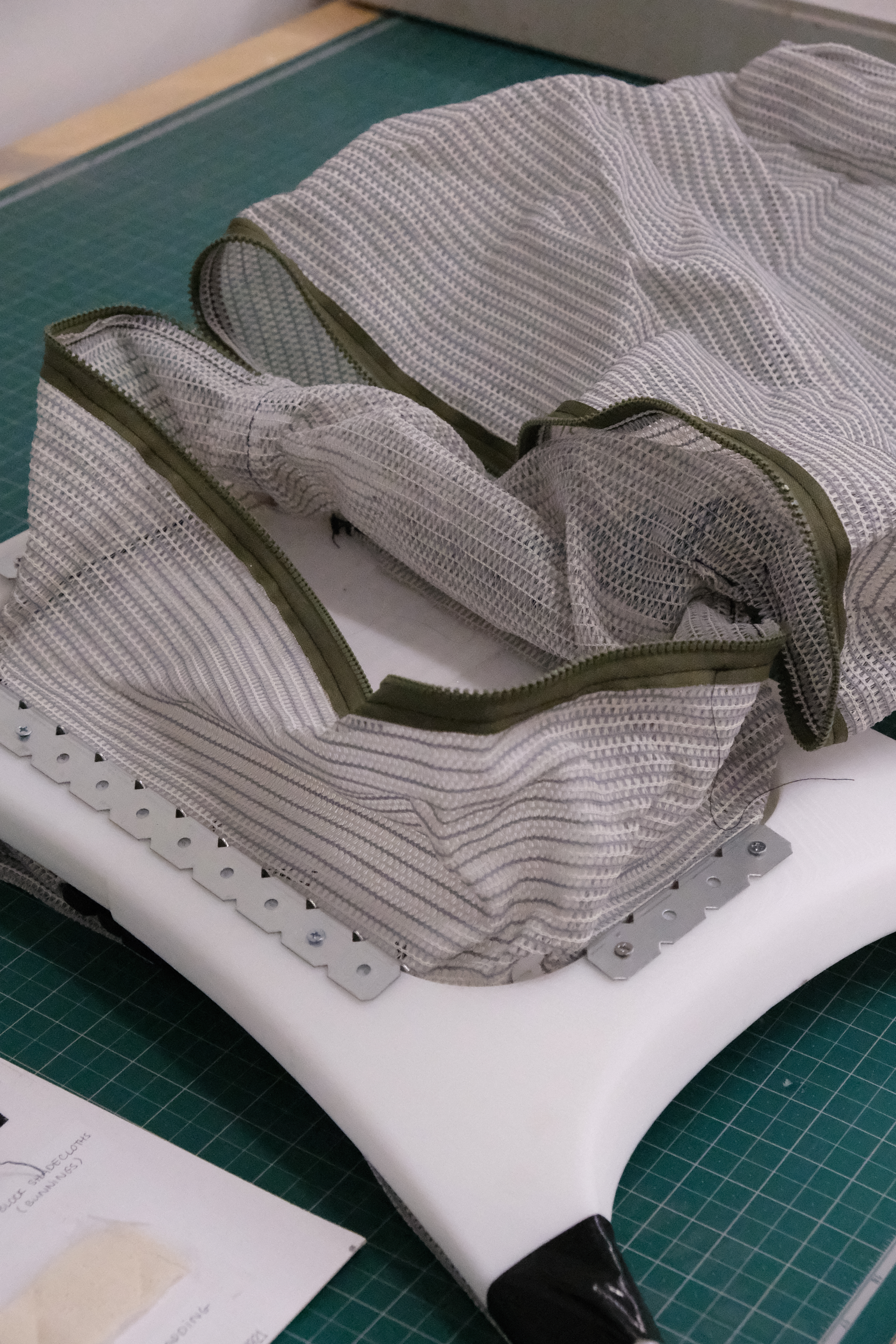
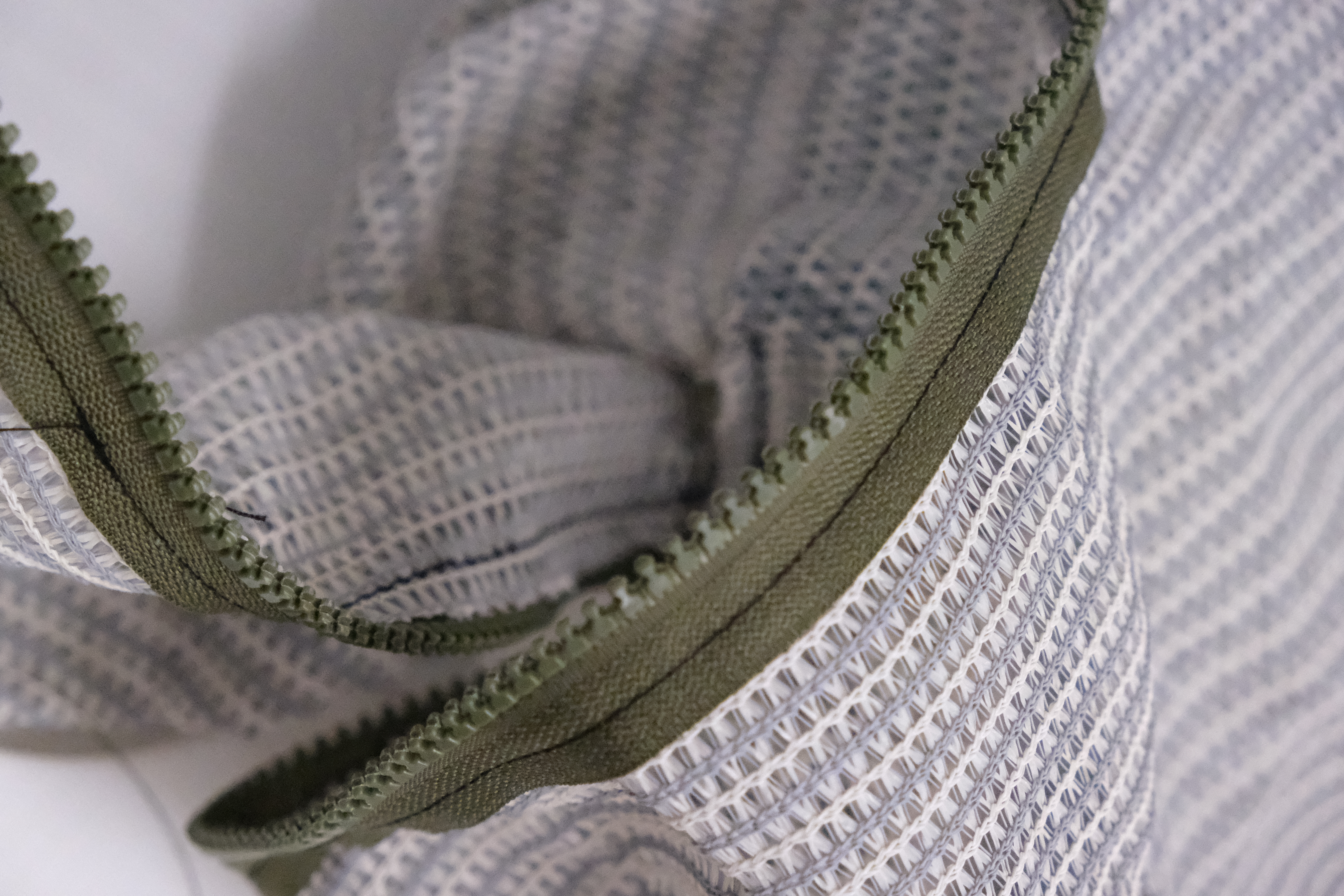
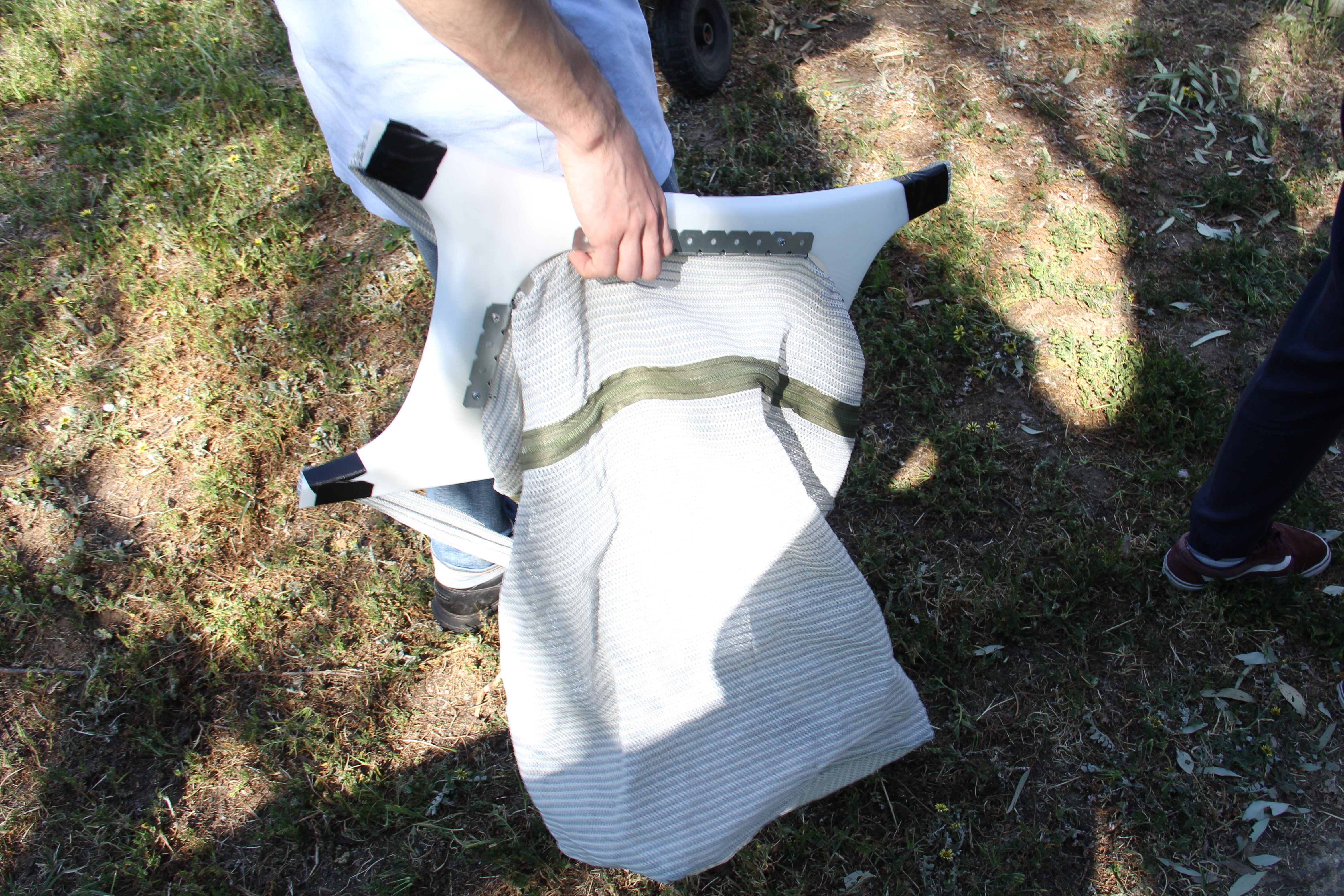
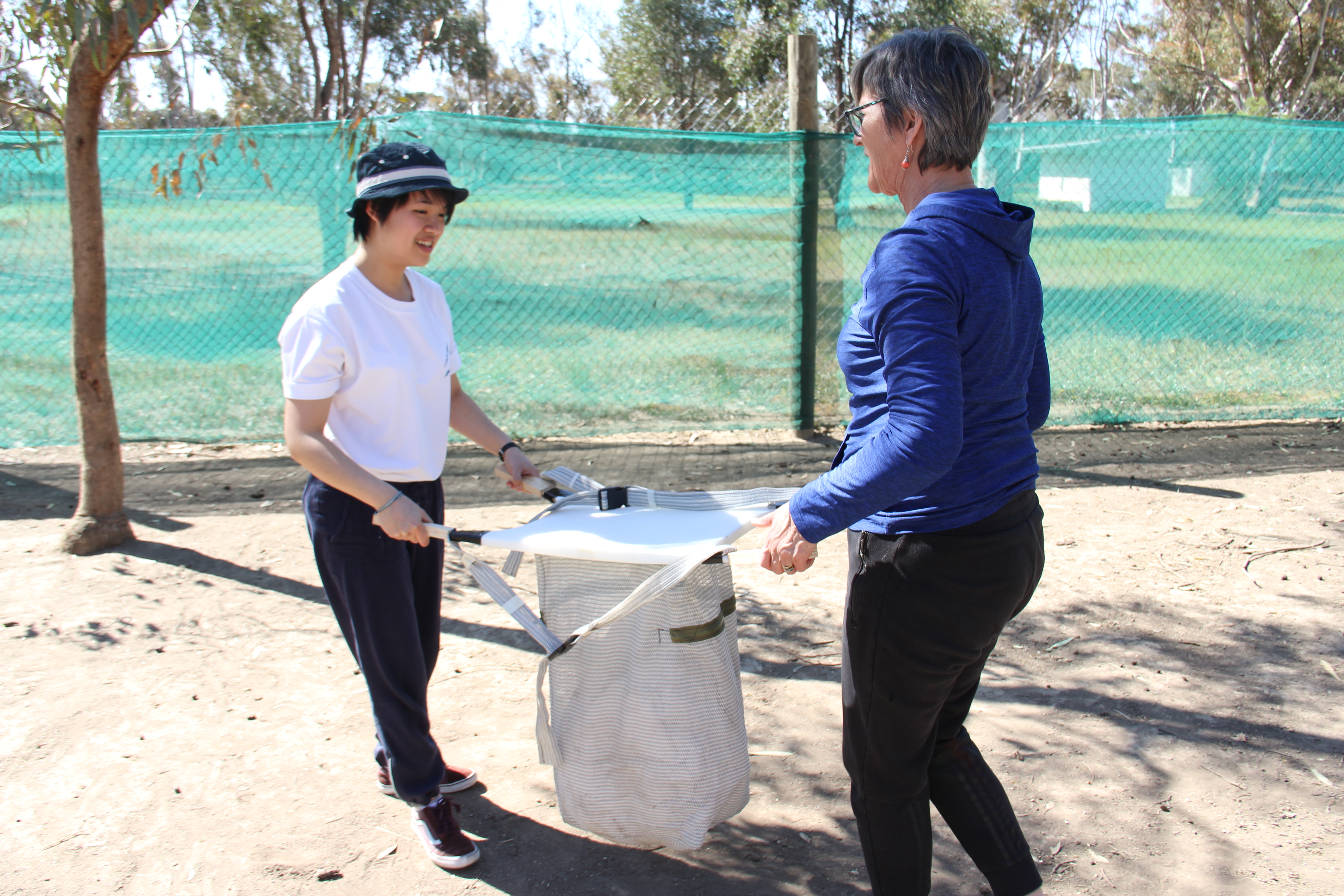
DASH is a transport device for kangaroo, koala & wombat joeys. It is convertible between a stretcher & backpack, with a pouch which is detachable for washing or exchange for a different size.
This research-led design project shines a light on the lack of resources & awareness in wildlife rescue. In Australia there is no supplier for specialised equipment. Wildlife carers are volunteers while citizens lack information on what to do in case of an accident. As our cities are constantly expanding into natural habitats, it is more important than ever to rethink interactions with our iconic animals.

Research
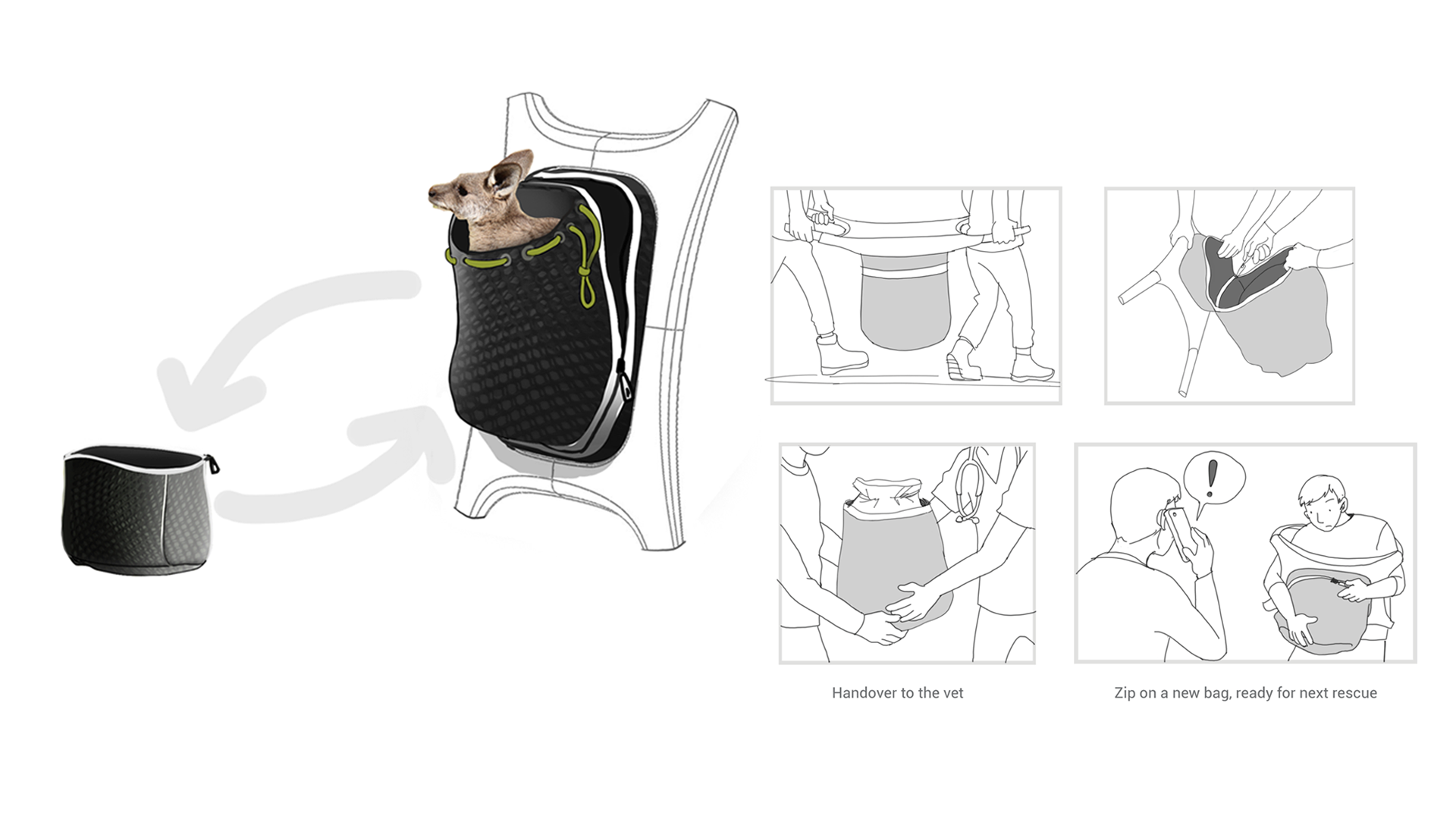
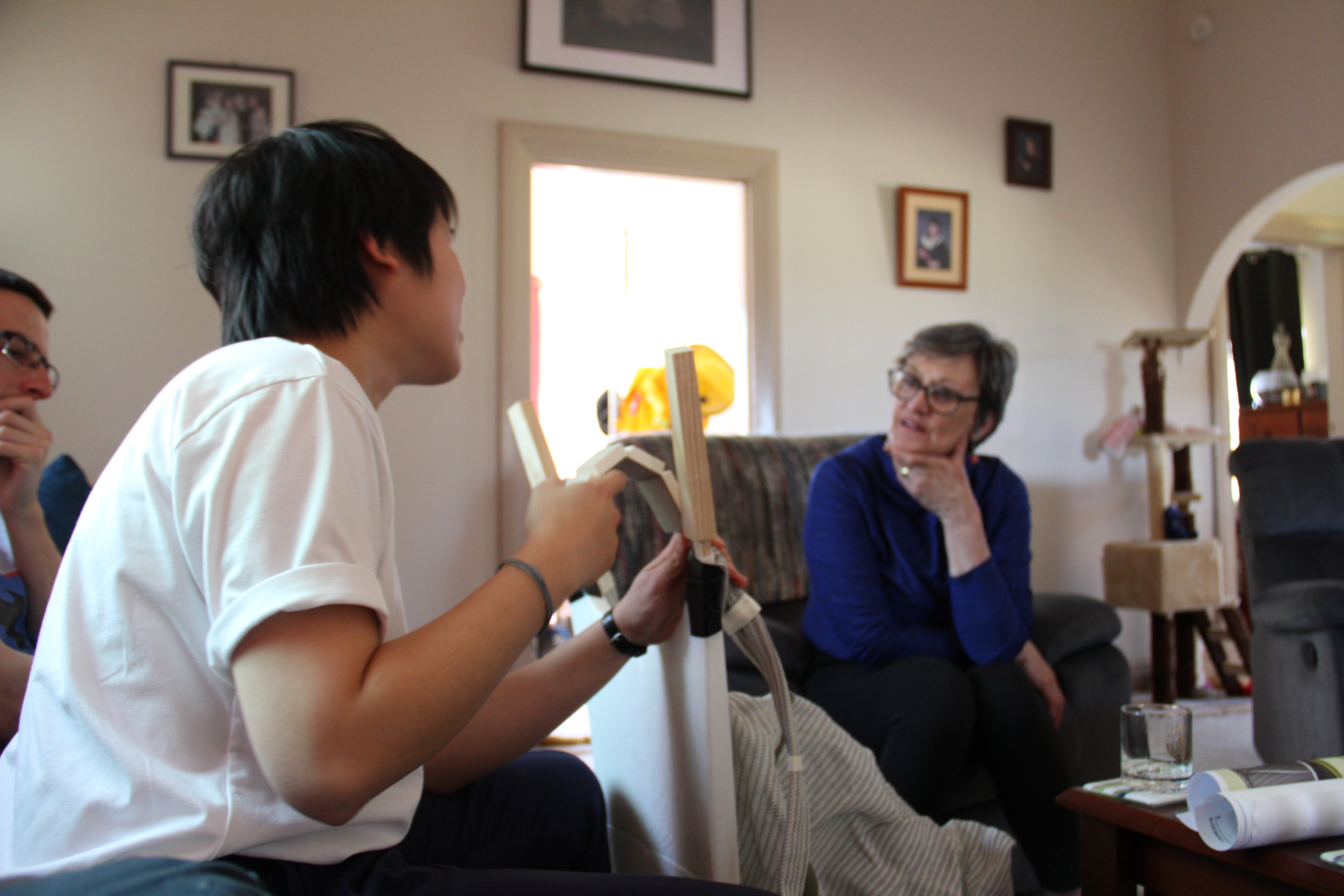
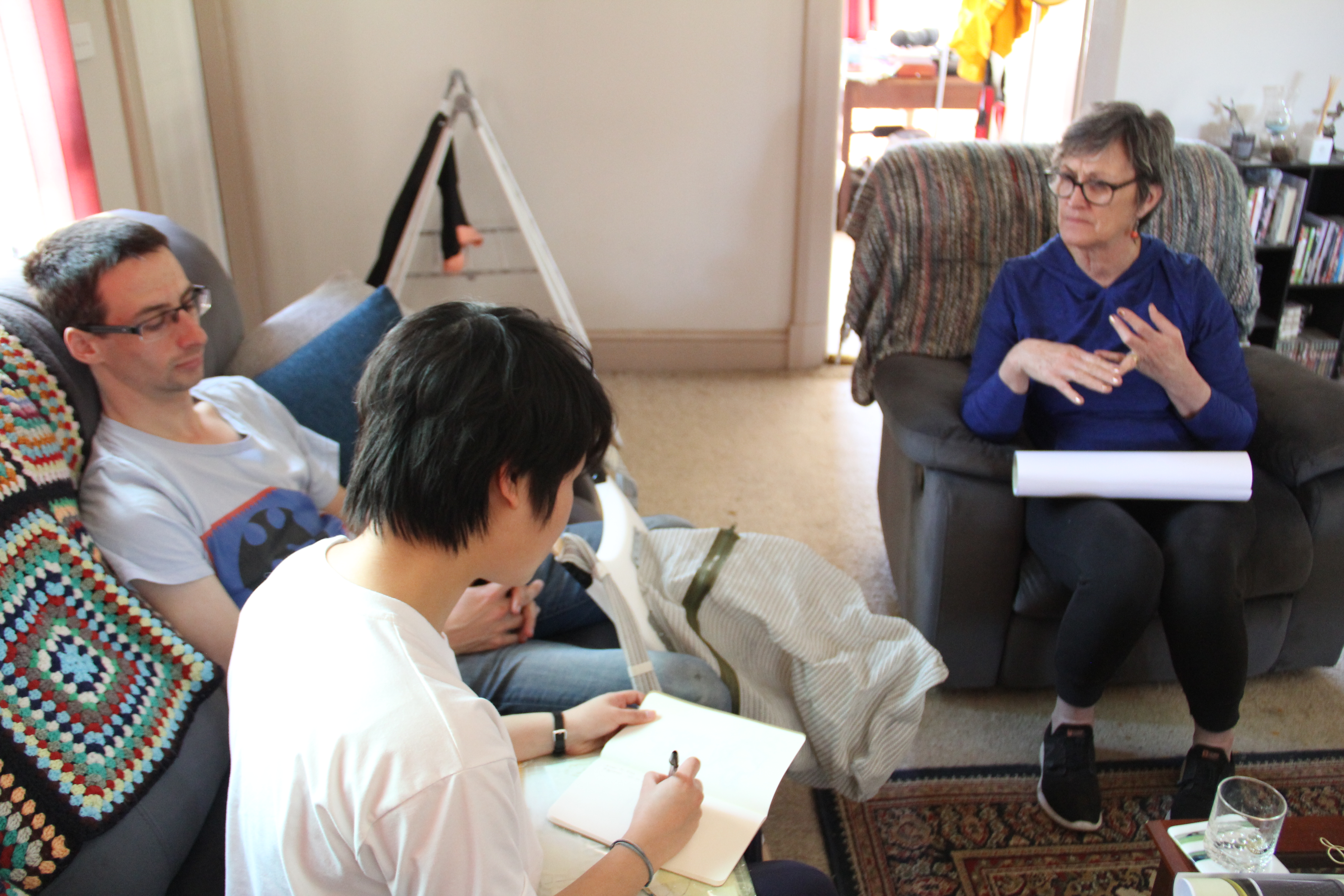
To understand the experience of volunteer wildlife rescuers, I visited wildlife shelters across Victoria, conducted interviews and observed their processes.
This exercise helped me empathise with the hard work and pain points that animal volunteers experience. Their passion and care for vulnerable wildlife also touched me deeply.

Why rescue joeys?
Joeys often survive in the pouch while their mothers get killed in car crashes or shootings. Female kangaroos tend to drop their babies while escaping from danger. Additionally, the notion of “saving the younger generation” evokes an emotional response as the project also aims to raise awareness.
Insights from experienced rescuers helped me identify the weight range of joeys that often get saved, which informs the product’s load capacity.

The design
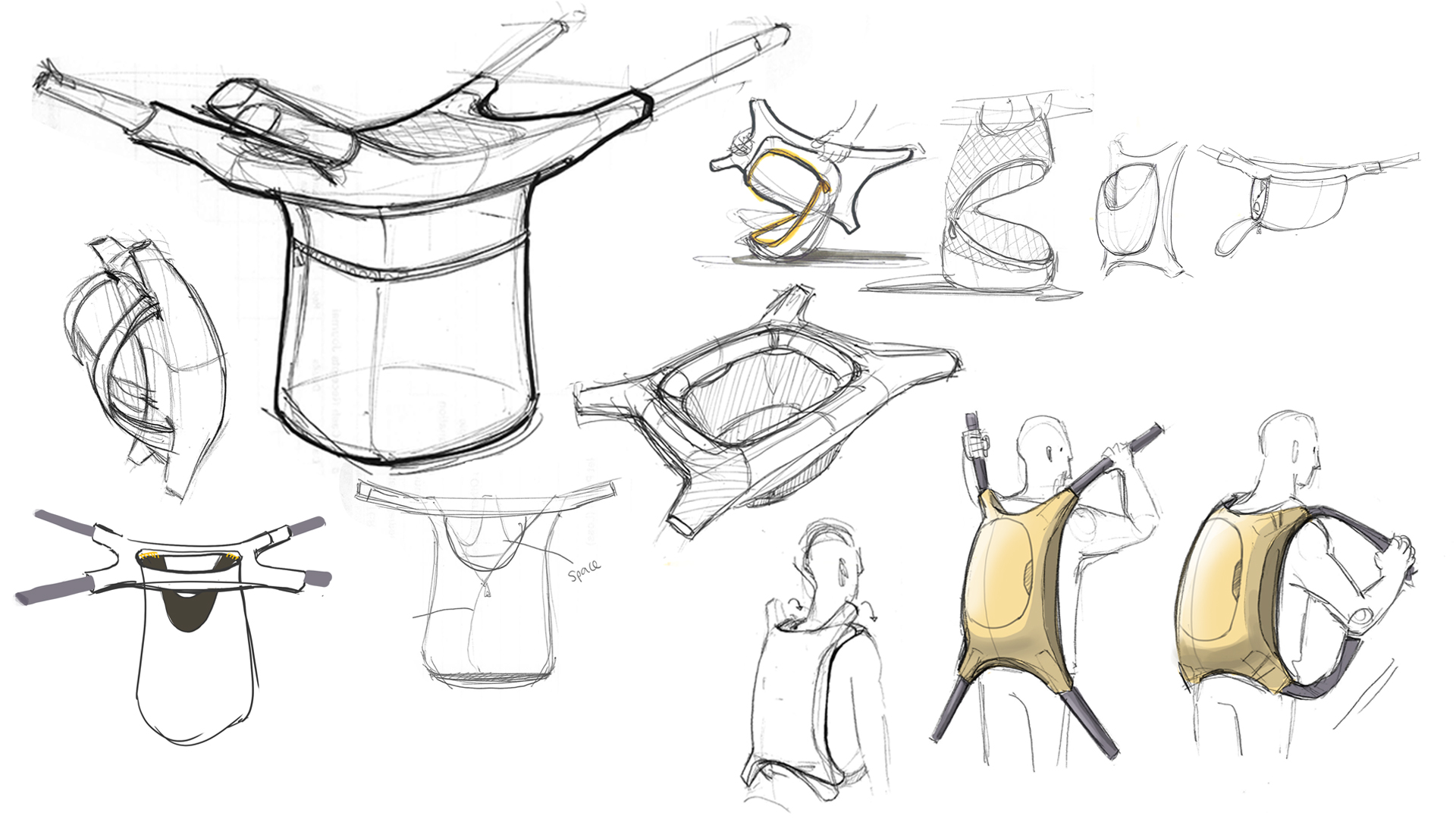
The concept is inspired by natural & artificial structures that shift between soft and rigid. This allows the product to transform and adapt to a variety of rescue scenarios: it can be carried like a stretcher, or worn like a backpack.
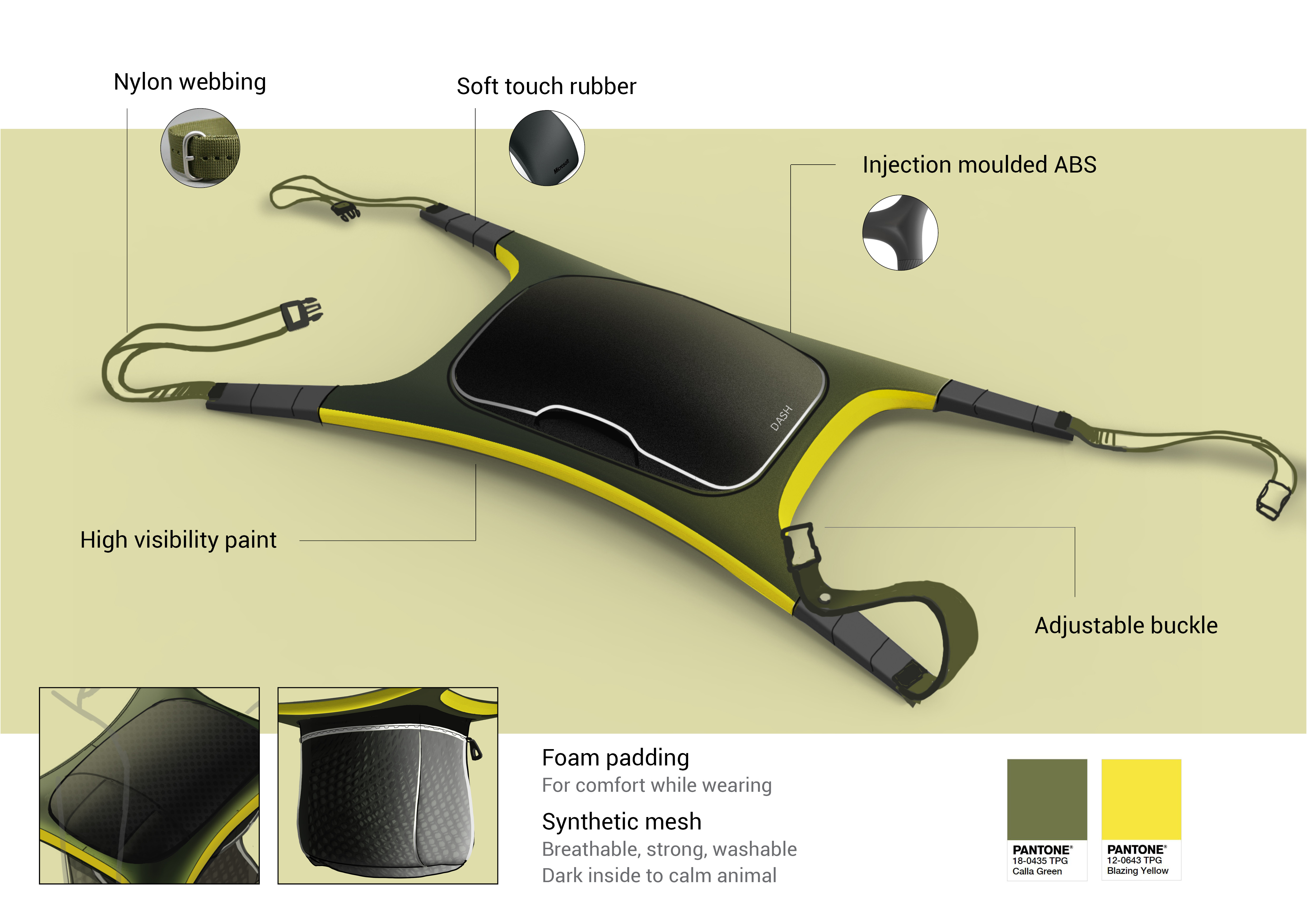
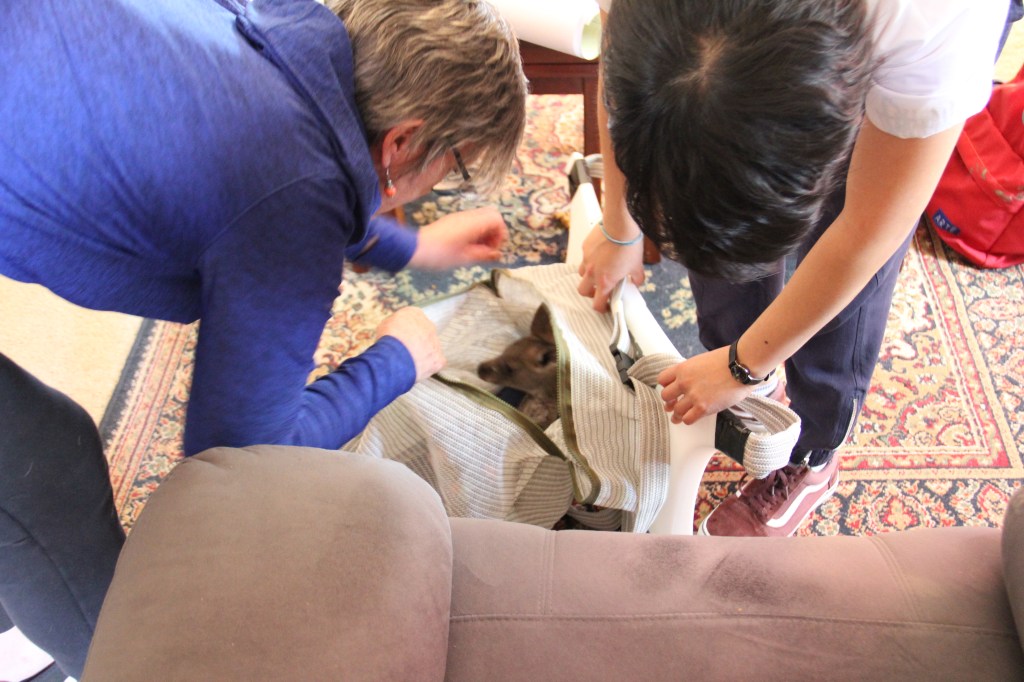
The joey bag is a central element to this design. Made from dark mesh cloth, it is durable and breathable, which not only ensures the wellbeing of the animal in capture, but is also intuitive for rescuers, being a tool they’re already familiar with.

Testing
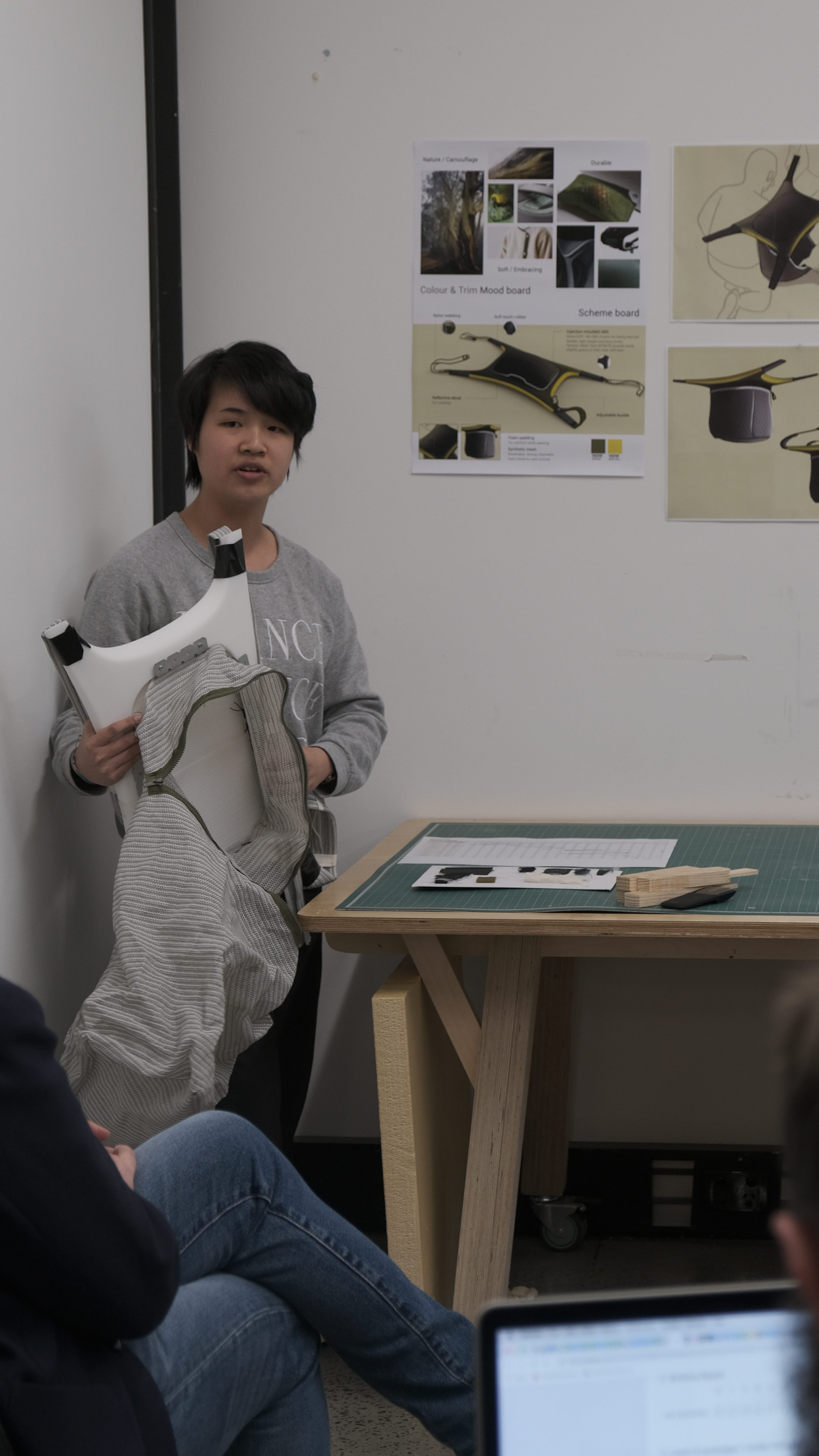
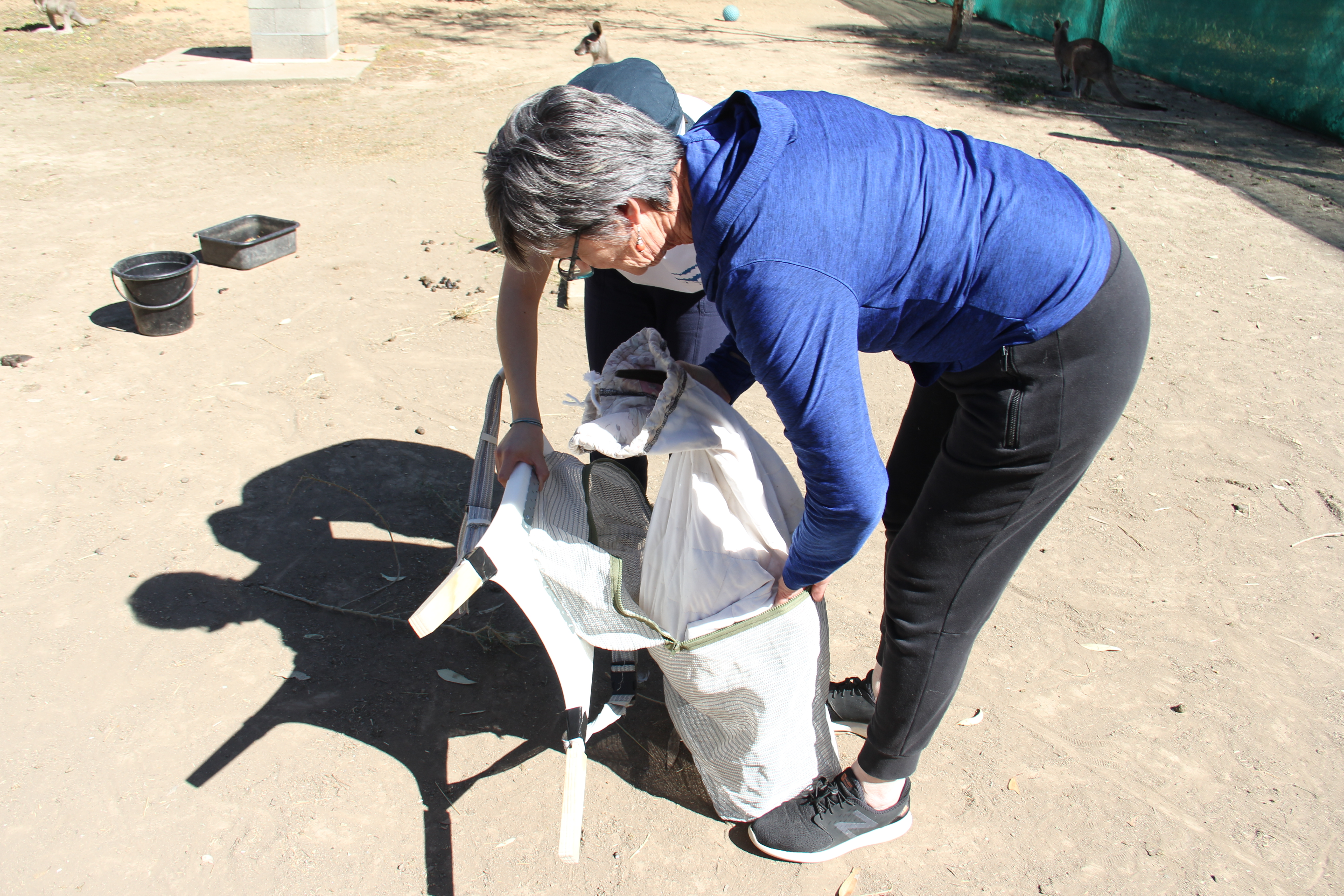
I presented the prototype to one of the rescuers I interviewed at the beginning of the project. Together, we tested the prototype with kangaroo joeys ranging from 3kg to 15kg.
I wouldn’t have any trouble walking kilometres with this.
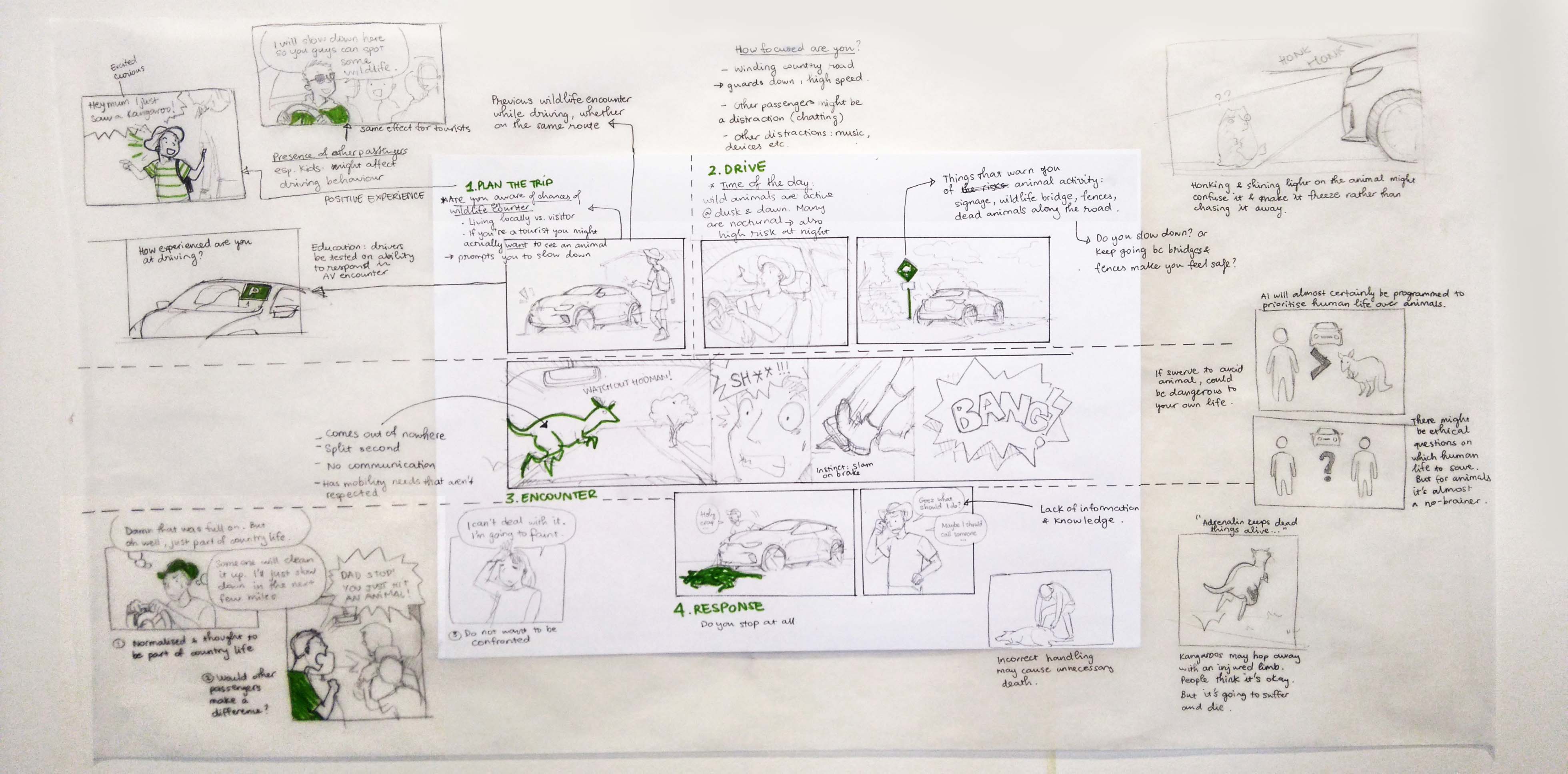
She expressed surprise and delight at how much easier the prototype has made the transport process. She reflected that in case of multiple rescues, users can remove the bag with the animal in it, hand it to the vet, zip on a new bag and run to the next rescue.
She suggested adding a drawstring to the bag, to stop the joey from escaping while the user zips up the bag and while handing it to the vet. She also wished for a place to pack small items such as first aid, a torch, some towels.


 Nhu Duong